
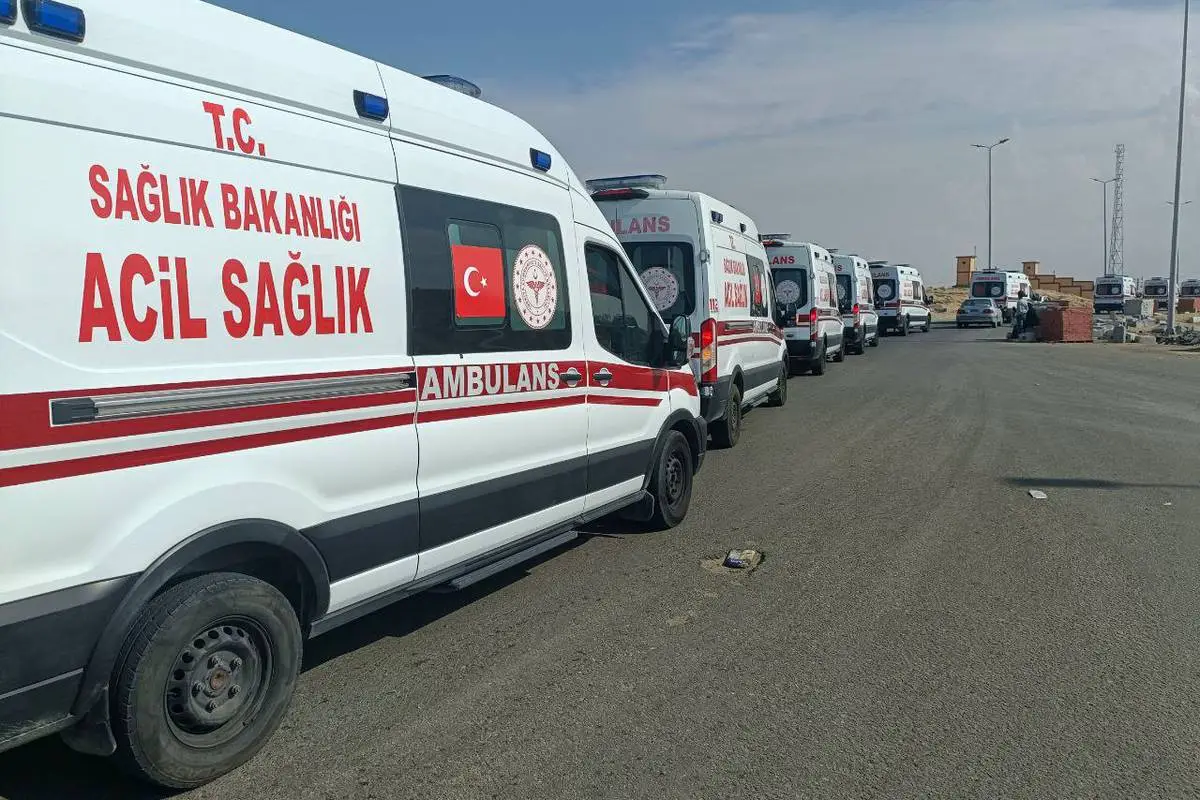
CARS FOR LIFE
“car for life” various organizations and initiatives use specially designed vehicles for humanitarian purposes during conflicts. These vehicles are often equipped to deliver essential supplies, medical aid, and support to affected areas. “Car for Life” concept or initiative designed to provide immediate help during war situations, it could encompass a range of vehicles and strategies tailored to address the unique challenges of conflict zones.
The concept of a “Car for Life” in war situations entails the deployment of specialized vehicles designed to deliver immediate assistance during conflicts. These vehicles, equipped for rapid response, may include armored medical evacuation units, agile communication vehicles, and adaptable transport for humanitarian aid distribution. Ensuring safety in conflict zones is paramount, and armored vehicles provide a secure means of evacuating the injured to medical facilities. Advanced communication systems are integral for seamless coordination with other response teams, military units, and humanitarian organizations. Additionally, these initiatives might involve collaboration with NGOs and international agencies, aiming to address the unique challenges of war-torn areas. The vehicles could serve multifunctional roles, acting as mobile training and support facilities for local populations, incorporating sustainable and energy-efficient features to enhance operational capabilities. While the term “Car for Life” may not be widely recognized, the concept aligns with broader efforts in humanitarian and emergency response, emphasizing adaptability, swift action, and collaboration to provide crucial aid during times of conflict.
Some examples include for cars for life:
Medical Ambulances: Specially equipped ambulances designed for use in conflict zones, equipped with medical supplies and staffed with trained personnel to provide emergency medical care.
Mobile Clinics: Vehicles transformed into mobile clinics to provide healthcare services in areas where traditional medical facilities may be inaccessible.
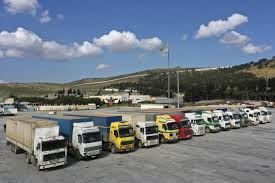
Humanitarian Aid Trucks: Trucks or vehicles designed to transport and distribute essential supplies such as food, water, shelter materials, and other necessities to affected populations.
Rescue Vehicles: Specialized vehicles equipped for search and rescue operations during wartime, capable of reaching areas affected by natural disasters or conflict.
UN agencies on the ground warn of an imminent humanitarian catastrophe in Gaza as the region faces a severe shortage of basic supplies. The urgency is emphasized by the closure of borders by Israel since the outbreak of violence on October 7, preventing the replenishment of life-saving aid.Over the weekend, Egypt’s El Arish International Airport became a hub for humanitarian activity, receiving hundreds of tonnes of essential goods. view report

The systematic integrative review explores the impact of ambulance driving on patients and the medical care provided during emergency situations. The study considers factors such as driving speed, patterns, navigation, and communication between the driver and the patient.The study advocates for further research focusing on driving, environmental aspects, and safety from the patient’s perspective in ambulance transport. view report
A WHO-led mission, in collaboration with the Palestine Red Crescent Society (PRCS) and UN agencies, faced delays and detentions at military checkpoints during a critical transfer of patients and medical supplies to Al-Ahli Hospital in Gaza City.One of the detained PRCS staff was taken for interrogation a second time. Despite attempts to coordinate his release, the mission decided, after more than two and a half hours, to proceed for the safety of patients and humanitarian workers. view report
UAE delivers maritime hospital, 10 ambulances for Gaza by Arab News on February 8, 2024.
Turkiye Charity provides medical aid to Gaza amid ongoing humanitarian crisis by Middle east monitor on November 17, 2023.
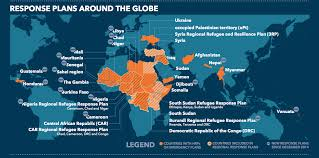
Delivering lifesaving supplies to countries facing humanitarian crisis by World Economic Forum